
Creatine Quick Start Guide:
Basics for Body and Brain
A beginner-friendly guide to creatine supplementation, covering what creatine is, how it works, common forms, typical doses, and benefits for both physical performance and cognitive health.


What Is Creatine?
Creatine is a substance found naturally in your body – primarily in muscle cells, with smaller amounts in the brain . It acts as an energy reserve, helping regenerate ATP (adenosine triphosphate), the body’s main energy currency, during short bursts of intense activity .
Your body can produce creatine from amino acids (arginine, glycine, and methionine), and you also obtain creatine through foods like red meat and fish . However, dietary intake (typically ~1–2 grams per day from a meat-inclusive diet) may not maximize muscle stores . This is why many people choose to supplement with creatine: to saturate their muscle energy stores and improve high-intensity exercise performance.
Who uses creatine?
Creatine supplementation is popular among athletes, bodybuilders, and gym-goers aiming to enhance strength and power. Even outside of hardcore training circles, creatine has become more mainstream – it’s now used by recreational exercisers and is being studied for benefits in older adults, vegetarians, and others looking to support overall health .
Older individuals may also be interested in creatine to help support muscle and strength alongside resistance training. For a deeper look at the evidence around creatine, muscle, cognition and healthy ageing, see our guide to creatine for longevity.
How Does Creatine Work?
During high-intensity exercise, creatine’s primary role is to increase phosphocreatine stores in muscles . Muscles are typically only 60–80% “full” of creatine under normal dietary conditions . By supplementing, you can raise muscle creatine content by about 20–40%, effectively supercharging your muscles’ quick energy reserve . The added phosphocreatine allows your body to regenerate more ATP during short, explosive efforts – meaning you can squeeze out that extra rep or sprint a bit faster . Over time, this translates into better training quality and improvements in strength and muscle gains.
Creatine also pulls water into muscle cells, which may increase cell volume (a phenomenon linked to muscle growth signaling) . Additionally, it may aid muscle recovery and glycogen replenishment post-exercise . In summary, by boosting your muscles’ energy supply and cellular hydration, creatine helps improve exercise performance and supports muscle development .
Here are some of the key performance benefits:
Increased Strength and Power: Creatine reliably boosts performance in activities that require quick, explosive movements – for example, lifting weights, sprinting, or jumping. By regenerating ATP faster, it allows you to lift slightly heavier or push a bit harder for short durations .
Over several weeks of training, these small improvements compound into greater strength gains. In fact, a large review identified creatine as the single most effective supplement for adding muscle strength and mass during resistance training .Better Training Endurance for High-Intensity Work: Creatine can help you eke out a few more reps or sustain an all-out sprint for a few seconds longer . Normally, the body’s ATP energy is depleted after ~10 seconds of maximal effort, but creatine extends that window of peak performance .
This means more total work performed in a session, which is a key factor in long-term muscle and power gains.Muscle Mass and Recovery: While creatine itself doesn’t directly build muscle without exercise, it enables more productive training sessions that lead to muscle growth.
Studies find that creatine users gain muscle mass more rapidly when combined with resistance exercise, in both young and older adults . It may also aid recovery between intense bouts by supporting faster energy replenishment.
For older adults, creatine supplementation alongside strength training has been shown to help counteract age-related muscle loss (sarcopenia)


Benefits of Creatine for Physical Performance
Creatine is often hailed as the #1 supplement for improving gym performance – and for good reason. Hundreds of studies show that creatine can increase muscular strength, power, and high-intensity exercise capacity .
Emerging research suggests this can translate into noticeable cognitive benefits:
Improved Memory and Mental Performance: A 2024 systematic review and meta-analysis concluded that creatine supplementation produces significant positive effects on memory and attention, as well as faster information processing speed . In other words, people taking creatine were able to remember things and sustain attention better in several studies. These cognitive improvements were especially noted in certain groups (such as older adults and individuals with neurological conditions), but some benefits have also been seen in healthy young people – particularly on tasks requiring short-term memory or quick thinking .
Reduced “Brain Fog” and Fatigue: Creatine is gaining popularity as a tool to fight off brain fog – that sluggish, cloudy feeling that impairs focus. There is early evidence that creatine helps maintain cognitive function under stressors like sleep deprivation or exhaustive exercise, which are common triggers for brain fog . For example, in sleep-deprived individuals creatine has been shown to improve mood and cognition compared to placebo, presumably by boosting brain energy availability . Many users anecdotally report better mental clarity and less fatigue on days they take creatine, though more research is ongoing.
Brain Health and Aging: Because of its role in cellular energy, creatine is being studied for neuroprotective effects. Some research suggests it might benefit conditions like mild depression or traumatic brain injury recovery (by supporting cellular energy in neurons) . While those uses are still experimental, there’s interest in creatine for healthy aging of the brain. Notably, vegetarians and vegans – who have lower baseline creatine levels from diet – have shown cognitive performance improvements with creatine supplementation, implying that adequate creatine might be important for optimal brain function . Older adults may also see memory and recall benefits from creatine, especially if they have somewhat declining cognitive function or low dietary creatine intake .
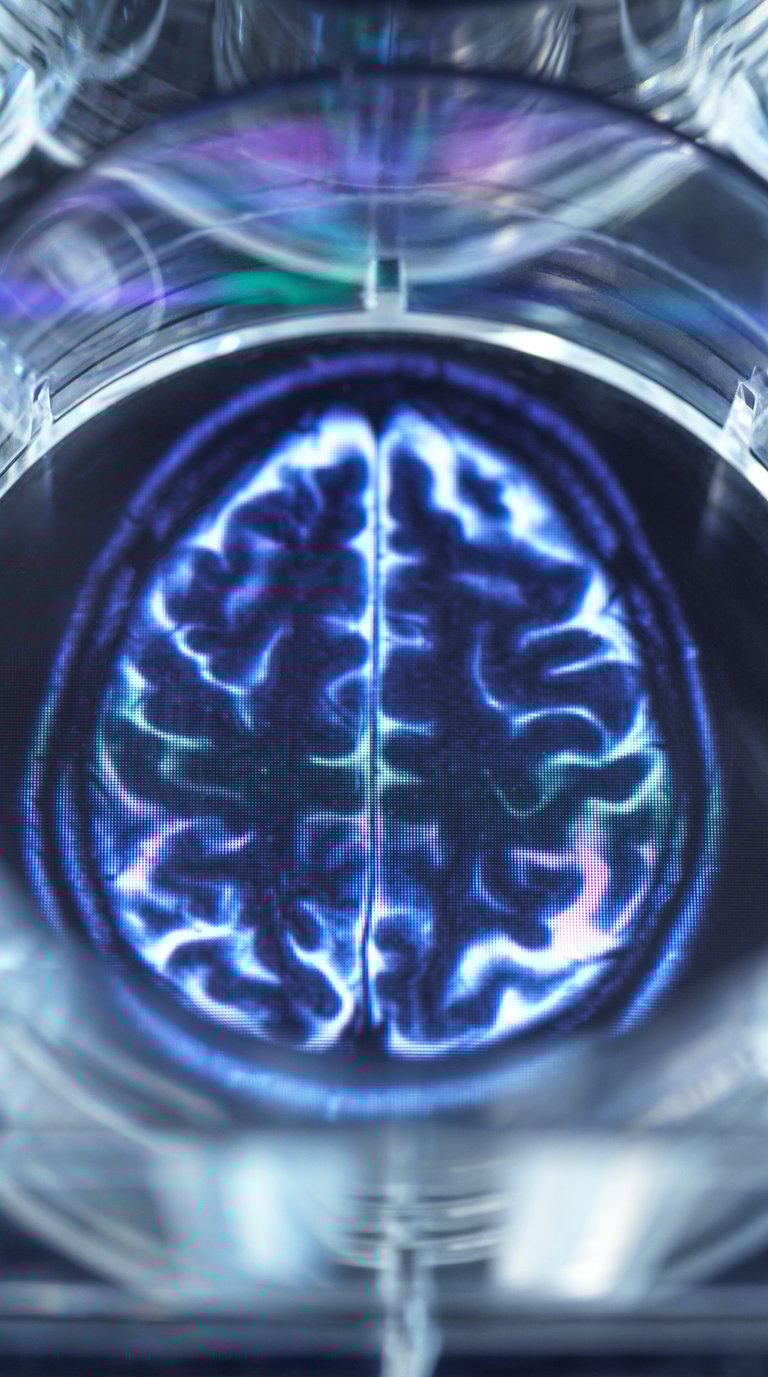
Cognitive Benefits and Brain Health Potential
Beyond the gym, creatine is now being explored for its brain-boosting potential. About 5% of the body’s creatine is stored in the brain, where it can serve as an energy buffer for brain cells .
By supplementing with creatine, you also increase phosphocreatine stores in the brain, which may improve neural energy metabolism and resilience .
Overall, while creatine’s mind-related benefits are still an emerging area of research, the evidence so far is promising. It makes sense biologically: a well-fueled brain tends to perform better, and creatine helps fuel the brain. If you’re dealing with a lot of stress, lack of sleep, or simply want an extra mental edge, creatine might offer some cognitive support in addition to its gym benefits . (Of course, it’s not a magic “smart drug,” but an adequate creatine level is one factor that can help your brain work optimally.)
Types of Creatine Supplements
Walk into any supplement store and you might see various types of creatine being sold: creatine monohydrate, creatine HCl, buffered creatine (Kre-Alkalyn), creatine ethyl ester, creatine nitrate, magnesium-chelated creatine, and more. It can be a bit confusing. Here’s the quick rundown:
Creatine Monohydrate – This is the classic and most-researched form of creatine. It’s simply creatine with a water molecule attached. The vast majority of studies (and all the benefits discussed above) are based on creatine monohydrate. It is highly effective, widely available, and usually the most affordable form. If you’re a beginner, this is the form to start with. Experts consistently recommend creatine monohydrate because other forms have not shown any superior benefit in terms of absorption or results . Monohydrate also has the strongest safety record.
Other Forms (Creatine HCl, etc.) – Alternative forms like creatine hydrochloride (HCl) or buffered creatine are marketed as having advantages such as better solubility, less bloat, or requiring smaller doses. While it’s true that forms like creatine HCl dissolve more easily in water, research has not found meaningful differences in muscle uptake or performance outcomes compared to monohydrate . For example, taking 3-5 g of creatine monohydrate per day will raise muscle creatine stores just as effectively as 3-5 g of creatine HCl. There’s no evidence that any exotic form can improve your results further . Moreover, these specialty forms tend to be much more expensive per dose.
In summary, creatine monohydrate is the gold standard. Unless you have a very specific reason (and guidance from an expert) to experiment with other types, monohydrate should be your go-to. When choosing a product, look for pure creatine monohydrate powder from a reputable brand. Many brands use Creapure® (a high-quality, tested form of monohydrate). Also, avoid products that mix creatine into proprietary blends. You want to know you’re getting the proper 3-5 gram dose of pure creatine. Simplicity is best here.
See creatine supplement reviews for guidance on reputable brands.
Recommended Dosage and How to Take It


Many beginners start with creatine to boost their training. If you’re wondering how much creatine you should take, our detailed guide on dosage for beginners covers recommended amounts in detail. For most adults, a dose of 3–5 grams of creatine monohydrate per day is effective and sufficient . This typically equates to one teaspoon of powdered creatine monohydrate (most products come with a small scoop).
To personalize your dose, use our Creatine Dosage Calculator, based on research data. See our step-by-step guide on how to use the Creatine Dosage Calculator.
Here are some usage tips:
Daily Maintenance Dosing: Take 3-5 grams per day, every day. Consistency is key to keep muscle creatine levels elevated. It doesn’t really matter what time of day you take it; morning, pre-workout, post-workout, or before bed are all fine. The effects come from long-term saturation of your muscles, not an acute timing window. Some people prefer taking it around their workout or with a meal (as insulin from food may help uptake), but overall find a time that you’ll remember each day. Mix the powder in a glass of water, juice, or a protein shake – it’s flavorless and dissolves fairly well (warm water or liquids help it dissolve better).
The “Loading Phase” (Optional): You might have heard of a creatine “load” phase. This involves taking a higher dose (usually ~20 grams per day split into 4 servings of 5 g) for 5–7 days, before dropping to the standard 3-5 g daily maintenance. Loading can saturate your muscles with creatine a bit faster – roughly within a week instead of around 3-4 weeks with low-dose daily use. However, loading is not required. In fact, some experts suggest that a high-dose loading phase offers no real long-term advantage and may just increase the chance of side effects (like stomach discomfort). If you’re not in a rush, you can skip loading and just start with 3-5 g daily; your muscles will reach full saturation after a few weeks. If you do choose to load, be aware that the initial rapid increase in muscle creatine can cause a quick 1–2 kg weight bump from water uptake (more on that below).
If you're wondering about creatine loading vs maintenance, check out our handy guide.
Cycle or No Cycle?: Unlike some supplements, you do not need to cycle on and off creatine. It’s not a stimulant or hormone that down-regulates receptors. You can take it year-round. Some people do short cycles out of an abundance of caution or just habit, but there’s no strong evidence that cycling is necessary for health or effectiveness. Long-term studies (up to several years) show continuous use is safe for those without pre-existing issues (again, see safety section).
Hydration: It’s wise to stay well-hydrated when taking creatine. Creatine itself does not cause dehydration – that is a myth; studies show creatine users actually tend to have less incidence of cramps or dehydration issues, likely because their cells hold more water . Even so, since creatine draws water into muscles, make sure you’re drinking adequate fluids throughout the day (which you should be doing anyway if you’re exercising). A good guideline is at least 8 cups (2 liters) of water daily, or more if you’re active.
Summary of dosing: 3-5 grams daily, at a time convenient for you. You can optionally do a 5-7 day load of ~20g/day split into multiple doses if you want to expedite muscle saturation, but it’s not necessary. Consistency and adherence to daily intake are far more important than timing tricks. Pair your creatine with plenty of water and a healthy diet for best results.
If you’re still unsure whether creatine makes sense for you personally, especially if you’re starting creatine for the first time, it can help to step back and look at the evidence, trade-offs, and real-world considerations before committing.
Safety and Side Effects
Many newcomers ask ‘is creatine safe for beginners?’ – see our dedicated article for evidence-backed answers.
Creatine is one of the most studied dietary supplements in the world, and it has an excellent safety profile for healthy individuals. Here are the key points regarding safety and potential side effects:
Well-Tolerated at Recommended Doses: Extensive research has shown that long-term creatine supplementation (3-5 g daily) is safe and well-tolerated in healthy adults . It does not damage the kidneys or liver in people with healthy organ function . Despite early concerns, creatine has repeatedly been found not to increase risk of dehydration, muscle cramps, or gastrointestinal problems when taken at proper doses . In fact, scientific evidence does not support the many old myths about creatine’s supposed dangers . Major health organizations and sports nutrition societies regard creatine as safe for adults when used responsibly.
Common Minor Side Effects: The most common side effects are mild water weight gain and occasional stomach upset. Because creatine causes muscles to hold extra water, you might notice the scale go up by 1–3 pounds in the first week or two. This is water weight, not fat, a result of increased intracellular water in your muscles . It’s generally temporary and even beneficial for performance. As for digestion, some people get a bit of bloating, gas, or cramping if they take a large dose at once (e.g. during loading phases) . You can minimize this by sticking to ~5g doses and taking creatine with plenty of water and/or food. If you have a sensitive stomach, consider splitting the daily dose (e.g. 2.5g in morning, 2.5g in evening) or avoiding the high-dose loading strategy . Many users experience no noticeable side effects at all.
Creatine Myths – Debunked: It’s worth explicitly dispelling a few myths that persist. Creatine is not a steroid; it has no hormonal properties and is found in natural foods . It will not cause testicular or hair-related side effects that anabolic steroids might. Also, creatine does not inherently damage kidneys in healthy users – this misconception arose because supplemental creatine can raise creatinine (a blood marker), but research shows normal kidney function remains intact .
That said, if you have pre-existing kidney disease or renal issues, you should absolutely consult a doctor before using creatine (or any supplement) .
Those with severe liver disease should also seek medical advice. But for the average person with no underlying conditions, creatine has an outstanding safety record .
Who Should Be Careful or Avoid: As mentioned, individuals with kidney disease, or those on medications that affect kidney or liver function, need medical clearance before taking creatine. As for creatine safety for teens, adolescents/teens can use creatine (some studies show benefits in adolescent athletes with no issues), but it’s recommended to do so under guidance of a healthcare provider or sports dietitian, since research in younger populations is more limited. Pregnant or breastfeeding women should also consult a doctor due to limited research in those groups. Finally, if you ever experience concerning symptoms (e.g. severe muscle cramps, difficulty urinating, etc.) while on creatine – which is rare – discontinue use and check with a healthcare professional.
By following this guide, you should be well-equipped to start using creatine effectively. In summary, creatine monohydrate can help you lift a bit more, train harder, and possibly even think a little sharper – all with a simple daily scoop. It’s cost-effective, easy to use, and backed by strong evidence. Find out more in our creatine research hub.
For our backstory and editorial approach, see about Creatine Insider.
If price matters, compare creatine prices across top brands - see how our Creatine Price Index works.
Remember that supplements are just one piece of the puzzle: creatine will work best alongside a good diet, proper training, and adequate rest. But for many, it offers a proven boost on the journey to better fitness and health. Happy lifting – and don’t forget to enjoy the cognitive perks on your off days too!
Check out the rest of our insights!


Contact
Questions? Reach out anytime!
info@creatineinsider.com
© 2026. All rights reserved.