
Is Creatine Safe for Teenagers? A Parent’s Guide
This guide reviews the evidence on creatine use in teens, covering how it works, possible benefits and risks, age and dosage considerations, and expert advice, so you can make an informed decision.
CREATINE TIPS AND ADVICECREATINE GUIDESCREATINE INSIGHTS
Jamie Coles
12/20/202511 min read


What Is Creatine and How Does It Work?
Creatine (often sold as creatine monohydrate) is a compound made from amino acids and stored in muscle and brain cells. In the body, creatine helps regenerate ATP, the energy currency of cells, allowing muscles to sustain short bursts of intense effort . For example, during a 5–10 second sprint or heavy lift, creatine phosphate in muscles quickly donates a phosphate to ADP to rapidly replenish ATP . In practical terms, this means creatine can help athletes perform a few extra reps or sprints at maximum effort.
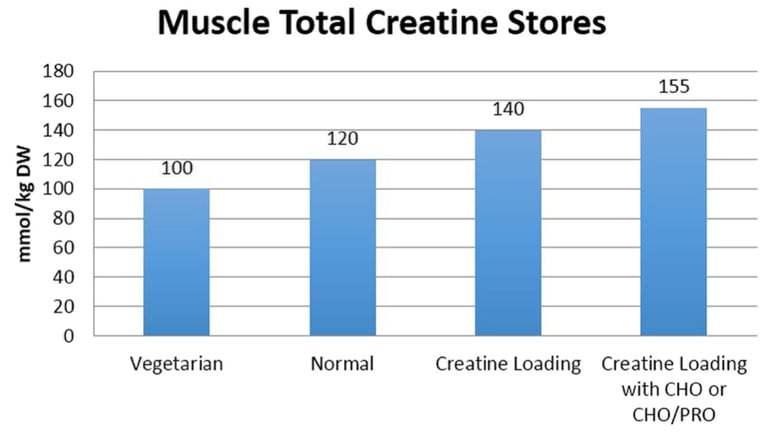
Our diet and metabolism supply some creatine – roughly 1–2 grams daily from red meat and fish, plus about 1 gram made by the body. As shown below, creatine supplementation can significantly boost muscle stores. For instance, one analysis reported that a typical “loading” regimen can raise muscle creatine content by 20–40% :
Creatine is a popular sports supplement often used to boost strength and recovery. It’s a naturally occurring compound found in muscle and brain tissue that helps provide quick energy for intense exercise . For many teenage athletes, the promise of faster gains and better performance makes creatine appealing. Surveys suggest that use among adolescents is rising. One national U.S. study found nearly 12–17% of high school seniors reported taking creatine, often without medical supervision .
Understandably, parents and guardians are asking about creatine safety for 15–17 year olds. This guide reviews the evidence on creatine use in teens, covering how it works, possible benefits and risks, age and safe dosage considerations for beginners, and expert advice, so you can make an informed decision.
For adults starting out, see our guide to creatine safety for beginners for the general research, but this article will focus on adolescents.
Creatine is most known for helping with high-intensity exercise, like sprinting, jumping, or lifting weights. By providing extra immediate energy, it may improve short-duration power and aid recovery between bouts. But beyond physical performance, research also suggests a role in brain and cellular health, since the brain also uses creatine to manage energy demands.
Why Do Teens Use Creatine?
Among teenage athletes, creatine is often marketed as a legal way to gain muscle, increase strength, and improve sports performance. Gym coaches, ads, and even classmates may suggest it during puberty when teens naturally see big strength gains. Clinics note an uptick in use: in one national survey, use of creatine in adolescent students jumped recently, raising questions about its safety and effectiveness . Younger teens may be especially tempted because professional athletes endorse supplements.
The hoped-for benefits are real: studies in adults show creatine can boost training capacity and lean mass. For example, evidence indicates athletes taking ~20–30 grams per day during training can sustain higher intensity workouts and see greater gains in muscle and strength . Some small studies in teen athletes (mainly soccer players and swimmers) hint at short-term performance gains as well. In fact, a recent review of adolescent research found that “short-term creatine supplementation may be potentially beneficial for adolescent athletes”.
However, it’s important to note that teenager diets already supply creatine, and healthy teens often gain muscle rapidly without any supplements. Children’s Hospital Colorado experts emphasize that young athletes typically do not need extra supplements. A balanced diet and proper training usually provide enough creatine for growth . In short, the appeal of creatine is understandable, but it’s critical to weigh the actual need and evidence.


What Do Experts and Studies Say?
Research on Teen Use is Limited but Growing. The majority of creatine research has been in adults. A comprehensive review found “strong support for creatine regarding its safety profile and minimal risk for adverse events” in general populations, and noted creatine is a popular supplement among adolescents, though specific studies in this age group are “extremely limited” . In practical terms, there just aren’t many large trials on teens. One recent literature review (13 studies, 268 total youth participants) found that most teen creatine studies are small and none were designed primarily to test safety.
Despite the limited data, available studies have generally found no evidence of harmful effects in teens when used properly. In juvenile clinical trials (e.g. children with Duchenne muscular dystrophy or pediatric lupus), creatine supplementation improved strength or clinical outcomes without adverse changes to kidney, liver, or bone health markers . In fact, one review concluded that “creatine supplementation appears safe and potentially beneficial for children and adolescents” . In late 2020 the FDA even classified creatine monohydrate as “Generally Recognized as Safe” (GRAS) for its intended uses, implying experts consider the evidence sufficient to deem it safe for older children and teens.
On the other hand, expert organizations urge caution. The American Academy of Pediatrics (AAP) and American Society of Sports Medicine (AMSSM) do not recommend creatine for those under 18 due to the lack of long-term safety data . A sports medicine pediatrician explains: “due to inadequate studies, we don’t know what long-term effects it may have on young athletes. For that reason, the AAP and AMSSM do not recommend creatine use under age 18.” . Similarly, a pediatric hospital Q&A notes that while creatine is generally safe for adults, “few studies have looked at the long-term safety of creatine use by teens”, so doctors advise it only for athletes over 18.
ISSN (sports nutrition experts) and studies suggest no acute safety issues in healthy teens , while pediatric and sports medicine authorities stress that evidence is still too sparse to endorse routine use in minors . Most agree that proper diet and training should come first for teens, and that any supplementation should be supervised by a healthcare professional.
Safety and Side Effects
No supplement is entirely free of side effects or risks, and creatine is no exception. The good news is that among healthy users (even teens) known adverse effects are generally mild and infrequent. Here’s what parents should know:
Weight Gain: Creatine causes muscle cells to draw in extra water, so users often gain a few pounds of lean mass or water weight . This is normal and expected, but it can concern some parents. A Mayo Clinic review notes “weight gain, generally as lean body mass,” as a common effect .
Stomach Upset or Cramping: Some people may experience stomach discomfort, nausea, or muscle cramps, especially if taken without food. Proper hydration and splitting the dose can help. (It’s also why children’s hospitals caution that supplements are not regulated and may contain impurities .)
Hydration Needs: Because creatine pulls water into muscles, dehydration is a potential risk if a teen doesn’t drink enough fluids, especially during intense training or in hot weather. Sports doctors caution that creatine may “be especially dangerous for athletes undergoing purposeful dehydration or weight loss” (like wrestlers cutting weight) . Adequate water intake is essential.
Kidney Health: Long-standing rumors link creatine to kidney damage, but scientific reviews find no evidence of harm in healthy individuals. Mayo Clinic states, “When used at appropriate doses, creatine is likely safe to take for up to five years” in healthy users. Laboratory studies confirm normal kidney and liver function markers in teens taking creatine under supervision. However, teens (or anyone) with existing kidney conditions should avoid creatine, as a precaution.
Hormones and Puberty: Some worry creatine might alter hormones or speed up puberty. Current evidence suggests this is not the case. A comprehensive review found “the current body of evidence does not indicate that creatine supplementation increases total testosterone, free testosterone, [or] DHT” . In other words, creatine is not an anabolic steroid and is unlikely to disrupt normal hormonal development.
Other Risks: Like all supplements, creatine products can vary in purity. A pediatric expert warns that because supplements are not FDA-regulated like medicines, some creatine powders may be contaminated with other substances . Always choose reputable brands with third-party testing, and ideally consult a doctor or dietitian before starting any supplement.
Compare creatine products and flavours on our reviews page.
Check out our Creatine Price Index to track and compare prices.
Age and Dosage Guidelines
Medical organizations generally recommend that creatine supplements be limited to older, fully grown adolescents, typically those 18 and above. The precise “right age” isn’t scientifically defined; instead, experts advise ensuring a teen has completed most of their physical development and has a well-established diet and training regimen before even considering creatine.
For age guidelines:
AAP and AAPSM (Pediatric Sports Medicine): Advise against creatine use under 18 due to insufficient teen-specific research .
International Nutrition Societies: Point out that there’s no biological requirement for all teens to take it, but if an older teen does, dosing should be careful.
FDA GRAS: The FDA’s “Generally Recognized as Safe” status for creatine applies to its intended use in children and adults (though not infants) . This means regulators see no evidence that teen intakes under normal use conditions are unsafe.
As for dosage, common adult regimens (often 3–5 grams per day after an optional loading phase) are sometimes applied to older teens as well. In research and practice, weight-based doses are sometimes used. For example, the ISSN position stand cites a protocol of about 0.3 grams per kg body weight per day for the initial 5–7 day “loading” phase, then about 0.05–0.15 g/kg/day as a maintenance dose. (For a 60 kg teen, this would be ~18 g/day loading, then 3–9 g/day maintenance.) In real-world terms, most teens are not doing double-digit gram loads; a safer approach is a modest daily dose, like 3–5 grams total per day, without necessarily doing a big loading phase.
If a teen is considering creatine, parents should definitely consult a pediatrician or sports dietitian. Some resources (including ours) can help estimate appropriate dosing. For example, our Creatine Dosage Calculator uses age, weight, and goals to suggest a dose.


Athletic and Health Benefits
When used properly, creatine can offer certain benefits, though most data come from adult athletes. For teens, potential advantages include:
Improved High-Intensity Performance: Creatine is well-documented to help with “anaerobic” activities; sprints, jumps, and quick weightlifting sets. One analysis notes that athletes supplementing with 20–30 g/day (during training) could maintain higher training intensity and see larger gains in fat-free mass and strength. This could translate to a teen being able to lift slightly more or sprint a bit faster in repetitive drills. The Nationwide Children’s Hospital review mentioned that, in youth studies, short-term creatine “may be potentially beneficial for adolescent athletes” . In practice, teens on creatine sometimes report lifting more reps or recovering faster in back-to-back workouts.
Possible Lean Mass Increase: Because creatine draws water into muscle, users often experience increased muscle fullness and weight. Over time, this can accompany true muscle gain from heavier training. Mayo Clinic explicitly notes strength and muscle increases as possible outcomes of creatine use .
Brain Function: Creatine is not just in muscle, it’s abundant in the brain and plays a role in maintaining energy there. Emerging research (often highlighted by experts like Dr. Rhonda Patrick) suggests creatine might support cognitive performance under stress or in people with low dietary creatine (like vegetarians). For example, one study found that sleep-deprived young adults given creatine performed better on complex mental tasks. While not teen-specific, this indicates a potential neuroprotective benefit: creatine could help maintain brain ATP levels during fatigue or injury. Interestingly, a trial of creatine in children recovering from traumatic brain injury showed improvements in certain outcomes, hinting at broader benefits. However, routine cognitive benefits in healthy teens are still under study.
Clinical Benefits: In medical settings, creatine is used for certain pediatric conditions (e.g. some muscle disorders) to help muscle strength. Those studies reinforce that when doctors monitor it, creatine is “well tolerated” by kids .
Creatine and Growing Bodies
Some parents worry specifically about creatine’s impact on growth, hormones or brain development. Here’s what we know:
Growth and Hormones: As mentioned, creatine does not appear to disrupt puberty hormones. Teens naturally experience surges in growth hormone and testosterone around puberty; creatine won’t override or block those signals. Conversely, because creatine improves muscle energy, some have speculated it might even support normal growth. For example, diets low in creatine (like strict vegetarian diets) have been linked to slightly slower growth metrics. ISSN’s position stand argues that creatine is “essential to promote normal energy metabolism and healthy growth and maturation in children and adolescents.” . In other words, they view creatine as a nutrient the body needs. There is no evidence that adding more creatine (via supplement) causes premature growth stoppage or hormonal imbalances.
Brain Development: The teenage brain is still maturing, and creatine is present in the brain’s energy systems. There’s actually interest in whether creatine supplementation could help the developing brain, especially under stress (e.g. concussions, intense studying, or sleep deprivation). The ISSN experts note cognitive benefits of creatine, and studies have shown improvements in mental tasks with supplementation . Although it’s too early to claim creatine is needed for brain development, there’s no evidence it hinders it. If anything, some clinicians are exploring creatine as a neuroprotective agent for young athletes in collision sports .
Given the lack of evidence of harm to growth or brain development, most concerns here remain theoretical. Still, this is why long-term studies are important. Parents should be vigilant about any changes and keep regular check-ups (e.g. pediatrician visits) to monitor a teen’s growth and health markers if they are taking supplements.


Recommendations and Takeaways for Parents
Focus on basics first. Every expert emphasizes that diet, sleep, and training form the foundation of athletic performance . A well-balanced diet with adequate protein, carbs and hydration generally provides enough creatine (from meat and fish) for a growing teen. Healthy teenagers usually build muscle quickly without any supplements . Encourage three balanced meals plus snacks around workouts , and promote proper rest.
Medical Advice is Key. If a parent is considering creatine for their teenager, the first step should be a consult with a pediatrician or sports nutritionist. They can assess the teen’s growth, nutrition, and health history. Some young athletes (especially after age 16–17 with heavy training) may indeed get a modest benefit from creatine, but only under professional guidance. It’s helpful to discuss goals: Is the teen trying to gain size or recover from injury? A dietitian might first optimize nutrition (sometimes teen athletes simply eat too little).
Safe Use If Chosen. If a doctor approves supplementation, follow these guidelines:
Stick to recommended doses (usually 3–5 g/day maintenance; you can reference a weight-based calculator like our Creatine Dosage Calculator for precision).
Skip the high “loading” protocols that use large doses initially.
Ensure plenty of water intake.
Use a trusted brand (look for third-party tested cremp, NSF or Informed-Choice seals).
Avoid mixing with caffeine or drugs that stress the kidneys.
Monitor and Reassess. If a teen starts creatine, keep an eye out for any side effects (e.g. bloating, cramps, unusual fatigue). Regular health check-ups (which may include basic blood tests) can catch any unexpected issues. Periodically reassess whether the supplement is still needed – sometimes teens will naturally hit a performance plateau after a few months, making further supplementation less critical.
In all cases, remember: “Nothing replaces hard work and effort,” as University Hospitals pediatricians advise. Supplements are supplements, they should not overshadow the basics.
Further Reading and Tools
For more detailed information, parents can consult reputable sources like the Mayo Clinic’s creatine guide, or statements from pediatric sports specialists. Some helpful links: the International Society of Sports Nutrition position stand (2017) reviews creatine in sports, and children’s health centers offer Q&As on supplements.
To assist with practical planning, we provide a Creatine Dosage Calculator that can estimate appropriate dosing based on age, weight, and goals. You can also explore our Creatine Price Index to compare creatine products.
Remember that any decision on supplements should be made with care. The current evidence suggests creatine can be safe for older teens if used appropriately , but it’s not strictly necessary for most young athletes. Parents should weigh the modest performance benefits against the unknowns of long-term use. When in doubt, prioritize proven strategies: a healthy diet, consistent training, and plenty of sleep – and always keep open communication with the teenager and healthcare providers.
Interested in exploring creatine further?
Check out our Creatine Dosage Calculator to tailor a safe serving for your teen.
For the latest supplement deals, visit our Creatine Price Index. Stay informed and make choices that keep your child healthy and strong.
Contact
Questions? Reach out anytime!
info@creatineinsider.com
© 2026. All rights reserved.