
Does Body Weight Affect Creatine Dosage?
Find out how to adapt your creatine dose, depending on what you weigh.
CREATINE QUESTIONSCREATINE TIPS AND ADVICE
Jamie Coles
12/18/20251 min read

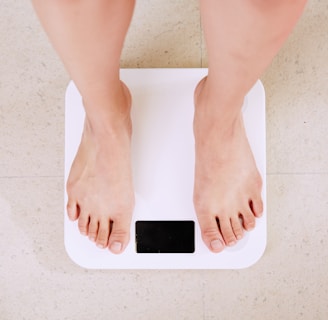
Creatine dosing is often discussed as a flat number (e.g. “take 5 grams per day”), yet many research studies actually use weight-based dosing, especially for higher or short-term protocols.
When Body Weight Matters
Body weight becomes more relevant when:
Using a loading phase
Using higher doses for cognitive or mental fatigue research
To combat the symptoms of brain fog or sleep deprivation
You’re significantly lighter or heavier than average
In these cases, doses are commonly expressed as grams per kilogram (g/kg) of body weight.
Thinking of taking Creatine?
Check out our Creatine Quick Start Guide
Typical Weight-Based Ranges
Research commonly uses:
~0.03 g/kg for maintenance
~0.25–0.3 g/kg for loading phases
Up to ~0.35 g/kg in short-term cognitive or sleep-deprivation studies
For example, a 70 kg person and a 100 kg person may both benefit from creatine but their optimal doses during higher-dose protocols may differ.
When Weight Doesn’t Matter Much
For everyday use, 3–5 g per day works for most adults, regardless of body weight. This is why flat dosing is so common in supplement advice.
Weight-based dosing becomes useful mainly when:
Precision matters
Higher doses are involved
The protocol is short-term
Body weight has some effect, but broadly the dosing falls in the same range. For a full primer on usage and amounts, see our creatine dosage for beginners guide – it covers standard dose recommendations and more.
If you want to see how dose changes based on your body weight and goal, use the Creatine Dosage Calculator.
To compare products once you know your dose, check the Creatine Price Index to avoid overpaying per gram.
Contact
Questions? Reach out anytime!
info@creatineinsider.com
© 2026. All rights reserved.